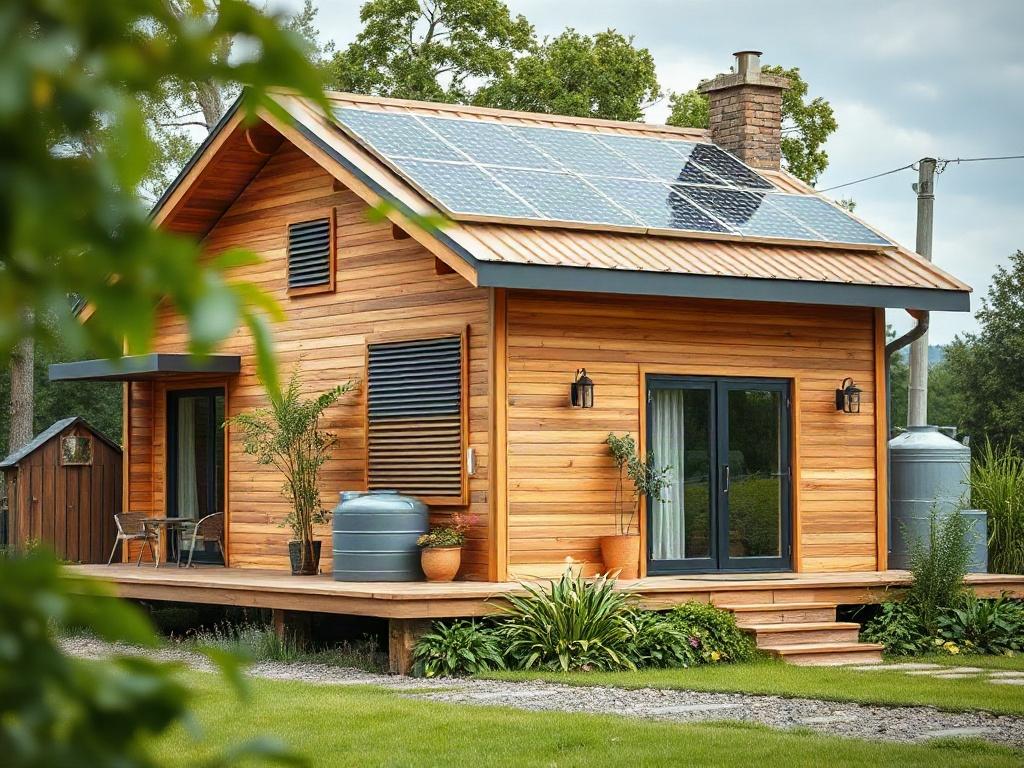
Building a sustainable house starts long before the first walls go up. Decisions about construction materials, energy systems, insulation, and layout can affect how much a home costs to operate and how it impacts the environment throughout its lifespan.
For homeowners, developers, and communities exploring sustainable housing, the goal is to create comfortable, durable spaces that use resources responsibly. The right approach depends on the building location, available budget, and needs of the people who will live there. Here are some important considerations when planning a more sustainable home.
The materials used during construction affect a home's environmental footprint over time. Manufacturing, transportation, installation, and eventual disposal all require resources. Choosing materials with a longer useful life or a lower environmental impact can help reduce waste over time.
Several options are worth considering:
Material selection should account for durability, local availability, maintenance, and performance. A product labeled environmentally friendly may not be the best choice for every climate or construction project. Working with experienced construction professionals can help identify materials that meet both practical and environmental goals.
A sustainable house should be designed to use as little energy as reasonably possible. Heating, cooling, lighting, and appliances contribute significantly to household energy consumption. Planning for efficiency during construction can help reduce ongoing demand.
Insulation is a good place to start. Properly insulated walls, roofs, and floors help maintain comfortable indoor temperatures year-round. Sealing gaps around windows, doors, and other openings also limits unwanted air movement.
Window placement matters, too. Thoughtful positioning can bring natural daylight into frequently used rooms and reduce the need for artificial lighting during the day. Depending on the climate, select window orientation, shading, and glazing to manage unwanted heat gain and heat loss.
Solar power is a popular feature in sustainable home design. Solar panels convert sunlight into electricity, allowing homeowners to generate some of their own power and reduce reliance on grid electricity.
Plan a solar installation around the property's conditions. Roof orientation, available sunlight, shading, structural capacity, and local utility requirements can all influence system performance.
Homeowners may also consider battery storage. A compatible battery can store excess solar electricity for later use, including during certain power interruptions. The right setup depends on household energy needs, budget, and whether backup power is a priority.
Solar panels work best as part of a broader energy strategy. Improving insulation and selecting efficient appliances can help reduce the amount of electricity a home needs in the first place.
Water conservation deserves attention during the design process. Everyday activities such as showering, washing dishes, doing laundry, and watering outdoor spaces can add up to substantial household water use.
A sustainable house can incorporate several water-saving features:
Rainwater collection can provide an additional water source for appropriate outdoor uses, subject to local regulations. Efficient plumbing fixtures and irrigation systems can also help reduce unnecessary consumption without making everyday routines inconvenient.
A home's layout influences construction materials, energy use, and everyday comfort. A complicated floor plan may require additional materials and create spaces that are difficult to heat, cool, or maintain.
An efficient layout makes good use of available square footage. Open common areas, practical storage, and well-positioned windows can help create a comfortable home without adding unnecessary space.
Flexibility is another valuable consideration. A room that can function as an office, guest bedroom, or study may accommodate changing household needs over time. Designing for adaptability can reduce the need for major renovations as circumstances change.
A sustainable house should handle the conditions where it's built. Heavy rainfall, flooding, extreme heat, strong winds, and wildfire exposure can all influence material and structural choices.
Local building codes provide an important starting point. Depending on the location, construction plans may need to address drainage, roofing materials, foundation design, ventilation, and other weather-related considerations.
Durable materials can also reduce the need for frequent repairs and replacements. When components last longer, homeowners may use fewer resources over the building's life. Regular maintenance helps protect that investment.
Modular construction can offer another approach to sustainable home building. Components are manufactured in a controlled setting and transported to the building site for assembly. This process can support consistent production, organized material use, and more predictable construction schedules.
The environmental benefits depend on the materials, manufacturing methods, transportation distances, and building design. When thoughtfully planned, modular housing can support projects that need to balance construction efficiency, affordability, and long-term performance.
Building a sustainable house involves many connected decisions. Responsible material selection, effective insulation, renewable energy, water conservation, and an adaptable floor plan can all help a home perform well over time.
The earlier these considerations enter the planning process, the easier it is to coordinate them within the overall construction budget and design. A thoughtful approach can also help create housing that remains useful as household needs and environmental conditions change.
Interested in sustainable housing solutions? Contact DrashUSA today. Our team is ready to discuss your construction goals and explore how our affordable, sustainable building solutions can support your next project. Visit our website to learn more about our approach and get in touch.