When a disaster destroys or severely damages homes, families need safe places to live as quickly as possible. The recovery process can take months or even years, making temporary housing and long-term rebuilding essential to restoring a community. Sustainable housing solutions can support this process by combining efficiency, durability, resilience, and comfort.
Sustainable housing isn't simply about using environmentally friendly materials or reducing energy consumption. In disaster recovery, it can provide practical advantages that help communities rebuild stronger while giving displaced families a stable place to call home.
A home provides much more than shelter. After a hurricane, wildfire, flood, tornado, or other disaster, a secure living environment can give families stability as they work through the many other challenges of recovery.
Safe housing can also support broader community recovery. When residents have dependable places to live, schools, businesses, healthcare services, and other community resources have a stronger foundation to reopen and serve the population.
The need for housing can be especially urgent when a disaster affects large numbers of people. Communities may need solutions that can be deployed efficiently while still meeting residents' needs.
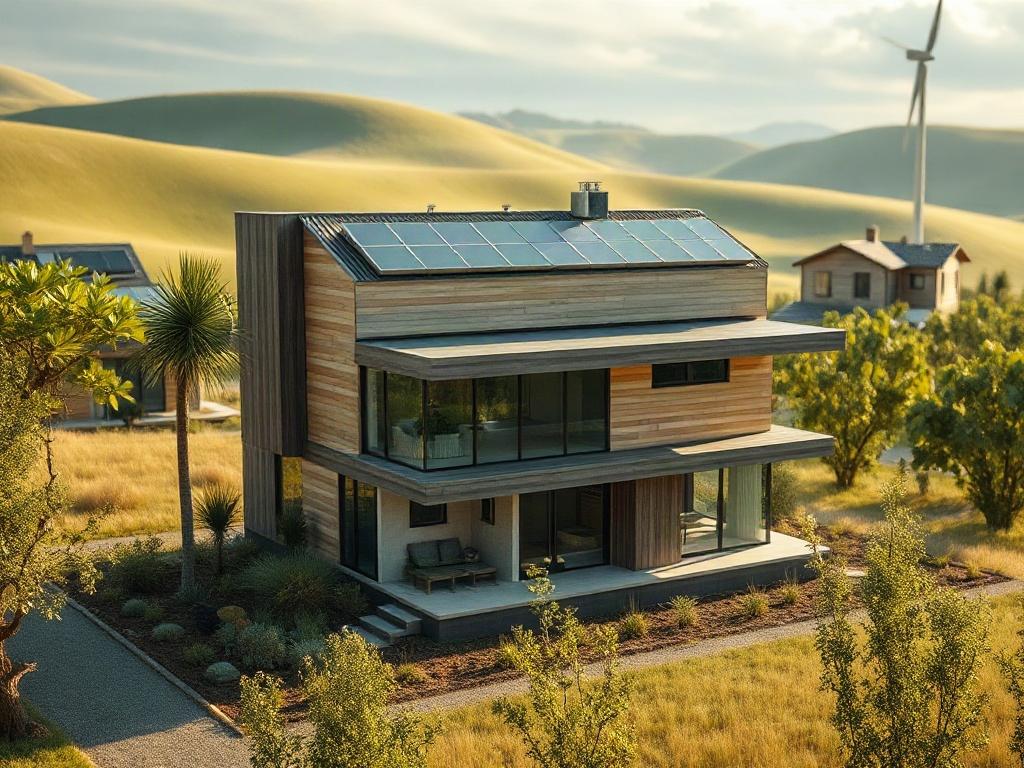
Sustainable housing incorporates design, materials, technology, and construction practices that help reduce resource consumption while supporting long-term performance. Energy efficiency is one important component, but it isn't the only consideration.
A sustainable home may incorporate features such as:
These features can reduce operating costs and resource consumption over time. For families recovering from a disaster, lower ongoing expenses can be particularly valuable.
Disaster recovery requires more than rebuilding quickly. Communities also need to consider how future hazards could affect replacement housing.
Resilient housing is designed with local risks in mind. Depending on the region, that could mean stronger structural systems, elevated construction, water-resistant materials, fire-resistant components, or design features that improve protection against severe weather.
Building with resilience in mind can help reduce the likelihood of extensive damage during future disasters. It can also reduce the resources, costs, and disruption associated with repeated rebuilding.
The initial cost of rebuilding is only one part of the financial picture. Families and communities also need to consider ongoing costs for heating, cooling, electricity, water, maintenance, and repairs.
Energy-efficient housing can help lower utility expenses over the life of a structure. Durable materials and resilient construction can also reduce maintenance needs and help homes remain functional longer.
For communities managing limited recovery resources, these long-term savings can make sustainable housing a practical investment. Money saved on operating and maintenance costs can remain available for other household and community needs.
Disaster recovery often creates an urgent demand for housing. Traditional construction can take considerable time, particularly when labor, materials, or infrastructure are limited after a major event.
Innovative housing solutions can help address these challenges through efficient construction methods and designs. Depending on the project, modular or rapidly deployable structures may provide safe accommodations while permanent recovery efforts continue.
Speed matters because prolonged displacement can make an already difficult situation even harder for families. Reliable housing sooner can help people rebuild routines and reconnect with their communities.
Disaster recovery isn't only about meeting basic physical needs. Families who have lost their homes are also dealing with emotional stress, financial uncertainty, and significant disruption to their daily lives.
Quality housing can provide privacy, security, and a sense of normalcy during an uncertain period. Sustainable housing solutions can combine these human needs with practical features that make homes comfortable and efficient.
Giving displaced families access to thoughtfully designed living spaces communicates that their long-term well-being matters. That perspective should remain central to disaster recovery planning.
Sustainable disaster recovery can help communities prepare for what comes next. Climate conditions, population growth, and changing development patterns can all influence the types of housing communities need.
Planning for resilience during reconstruction can create homes that are better equipped to handle future challenges. It can also encourage communities to consider energy efficiency, resource conservation, infrastructure, and housing affordability as part of a broader recovery strategy.
This forward-looking approach can make rebuilding an opportunity to improve community resilience rather than simply replace what was lost.
Sustainable housing solutions can play an important role in disaster recovery by addressing immediate housing needs while considering long-term efficiency, resilience, and affordability. When communities invest in durable and efficient homes, they can give displaced families greater stability while strengthening their ability to withstand future challenges.
Recovery is an opportunity to think beyond replacing damaged structures. With thoughtful planning and resilient housing solutions, communities can create safer, more efficient living environments that support residents for years to come.
At DrashUSA, we believe dependable shelter can make a meaningful difference when communities face emergencies and recovery challenges. We provide shelter solutions designed for demanding environments and changing operational needs. Contact our team today to learn more about our solutions and discover how we can support your organization's disaster response and recovery efforts.