When people hear the phrase disaster relief construction jobs, they often think about debris removal, temporary repairs, or rebuilding damaged structures. And yes, those are all part of the work. But that description barely scratches the surface.
In an emergency, construction work becomes something much bigger than a job site task list. It becomes a lifeline.
It means creating safe shelter when families have nowhere to go. It means restoring critical spaces where communities can receive care, support, supplies, and stability. It means helping people move from chaos toward some sense of normalcy, one structure, one repair, and one rapid response at a time.
That is why disaster relief construction jobs matter so much. They do not just help rebuild buildings. They help rebuild safety, dignity, and momentum when people need it most.
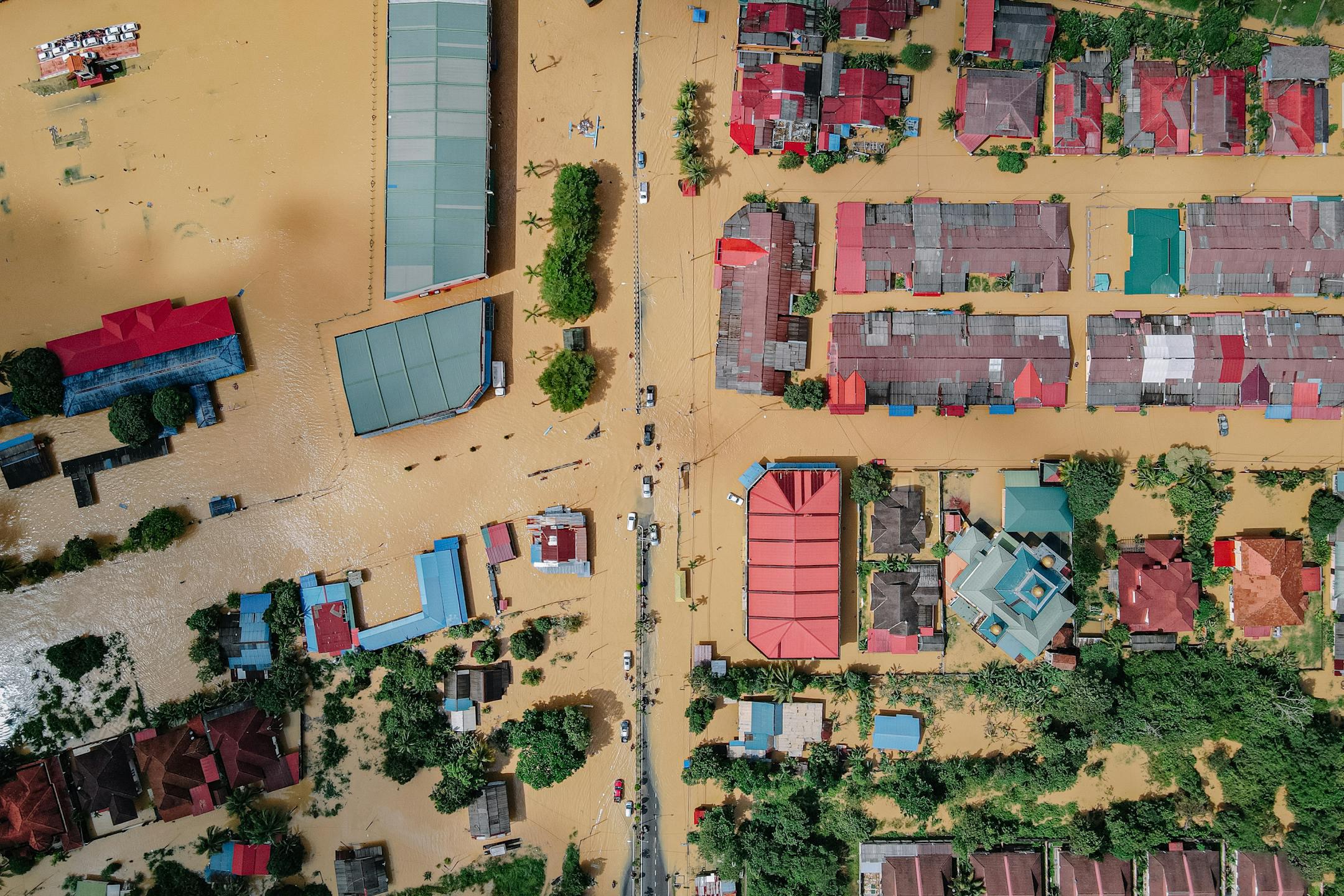
After a hurricane, wildfire, flood, tornado, or other major disaster, the damage is not only emotional. It is deeply practical.
People may suddenly be without:
In those moments, speed matters. Skilled construction teams help close the gap between disaster and recovery by making spaces usable again as quickly and safely as possible.
That work can include temporary structures, emergency shelters, site stabilization, repairs, infrastructure support, and longer-term rebuilding. Every one of those efforts has a direct effect on how quickly a community can begin functioning again.
One of the most important things to understand about disaster relief construction jobs is that the impact is always human.
Behind every emergency construction project, there are real people trying to answer urgent questions.
Where will my family sleep tonight?
When can my business reopen?
How will my children return to school?
Where do we go for medical care?
How long will we be displaced?
Fast, skilled construction work helps answer those questions with action.
A restored facility can mean emergency services stay operational. A temporary housing solution can mean a family avoids prolonged displacement. A rebuilt community structure can mean local recovery efforts move faster and with more coordination.
That is why this kind of work carries so much weight. It affects daily life in immediate, visible ways.
In standard construction, delays are frustrating. In disaster recovery, delays can deepen hardship.
When response teams move quickly, communities gain more than a completed structure. They gain time, stability, and a clearer path forward.
Fast construction response can help:
The value of speed in these situations is hard to overstate. It is not about rushing for appearances. It is about recognizing that every day without safe, usable space creates new strain for the people affected.
Of course, speed alone is not enough. Disaster recovery work also has to be done well.
Emergency construction often happens under difficult conditions. Sites may be unstable. Access may be limited. Utilities may be compromised. Timelines are compressed. Emotions run high. Even so, the work must still be safe, sound, and dependable.
That is why skilled labor is essential.
Disaster relief construction jobs require professionals who can:
This is not generic construction work in a different setting. It is specialized, high-stakes work that requires experience, calm judgment, and a strong sense of responsibility.
There is another side to this work that often gets overlooked.
When people lose homes, community spaces, or basic infrastructure, they do not just lose convenience. They often lose privacy, routine, comfort, and a sense of control.
That is where thoughtful, responsive construction work can make a real emotional difference.
A safe temporary structure offers more than coverage from the elements. It offers relief.
A repaired facility offers more than function. It offers reassurance.
A rebuilt space offers more than walls. It offers a reason to believe recovery is possible.
That is part of what makes disaster relief construction jobs so meaningful. They help restore dignity at a time when people may feel like everything familiar has been disrupted.
No two emergencies look exactly the same. But one truth stays constant: communities recover better when experienced teams can mobilize quickly and respond with purpose.
The right construction support helps bridge the gap between emergency response and long-term recovery. It creates the physical spaces needed for relief efforts to function, for families to regroup, and for communities to begin rebuilding in a structured, sustainable way.
This kind of work is not only about reacting to disaster. It is about making recovery possible.
Disaster relief construction jobs matter because emergencies are never only about damage. They are about people.
They are about families looking for safety. Communities trying to stabilize. Organizations working to respond. Local systems trying to get back on their feet.
Fast, skilled construction work plays a critical role in all of it.
At its best, disaster relief construction does more than rebuild what was lost. It helps create the conditions people need to move forward—with safety, with support, and with hope.